

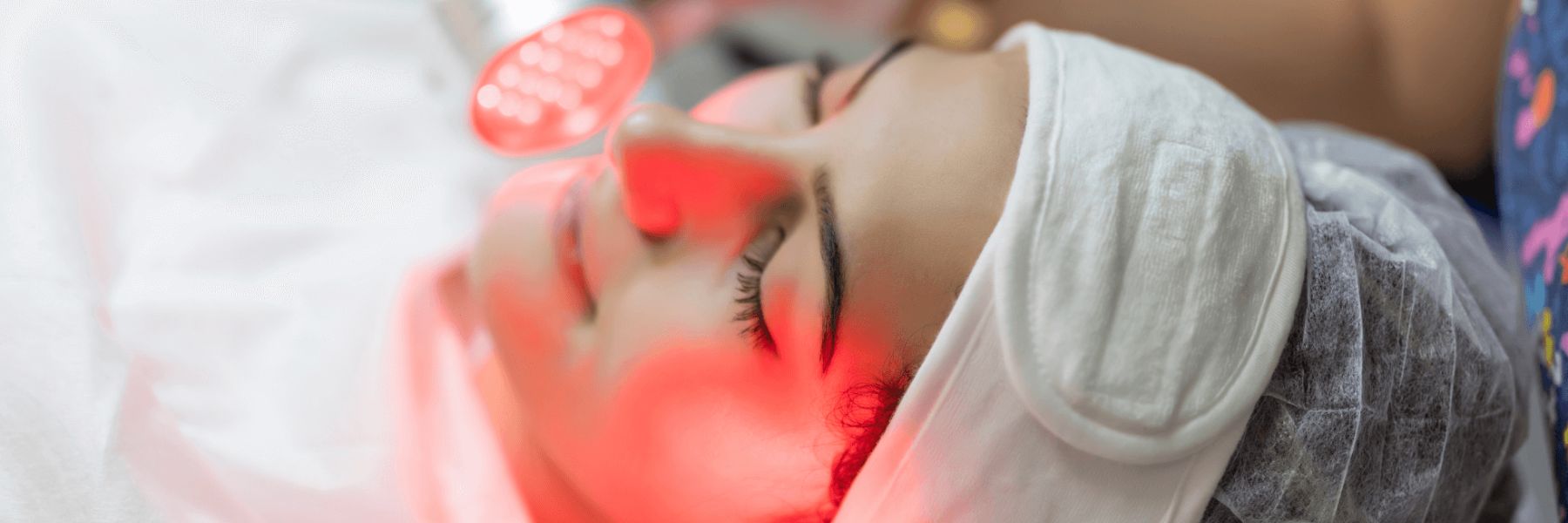
For safe home treatments, explore red light therapy devices and other home wellness equipment.
Identifying the most effective treatment options for dark patches.
Understanding the relationship between heat and pigment production.
How to use specialised devices without causing extra irritation.
The importance of professional guidance for complex skin conditions.
Why consistent sun protection is vital during any skin programme.
Evaluating the safety of different wavelengths for home use.

To treat melasma effectively, it helps to understand how light interacts with the skin.
Melasma is a complex condition influenced by hormones, genetics, and sun exposure.
Knowing how your skin produces melanin helps you choose the safest and most effective treatments.
Melasma occurs when melanocytes (the cells that make melanin) produce too much pigment.
Triggers include:
Hormonal changes
UV exposure from the sun
Genetic predisposition
These factors create uneven patches of pigmentation, most commonly on the face.
Both heat and light affect melanin production.
UV radiation can stimulate melanocytes, increasing pigmentation. Heat can also worsen discolouration by boosting blood flow.
It’s important to distinguish between harmful UV light and therapeutic red light.
Red light therapy uses red or near-infrared light to stimulate and rejuvenate cells.
It differs from UV light, which can damage DNA and promote premature ageing. Red light is longer in wavelength, therapeutic, and generally safe for skin treatment.
| Characteristics | Red Light | UV Exposure |
|---|---|---|
| Wavelength | 600–700nm | 100–400nm |
| Effects on Skin | Therapeutic, rejuvenating | Damaging, promotes ageing |

Red light therapy is growing in popularity, but melasma patients need to take precautions.
While it promotes cell health, excessive heat or improper use could theoretically stimulate melanocytes.
Red light therapy can boost cell activity. Some research suggests that, in rare cases, certain light treatments might increase melanin production.
However, red light differs significantly from UV light and does not carry the same pigmentation risks.
Managing heat is key.
Devices that run too hot may aggravate melasma. Look for units with cooling features or regulated temperature settings to ensure safe treatment.
Melasma requires a careful, multi-step approach. Combining red light therapy with professional skincare guidance ensures safety and effectiveness.
Sun protection is essential:
Use a broad-spectrum sunscreen with SPF 30 or higher daily.
Apply topical creams that reduce melanin, as recommended by a dermatologist.
Before starting red light therapy, consult a dermatologist.
A professional can evaluate your skin, recommend appropriate settings, and integrate therapy safely into your routine.
This helps ensure the treatment complements other options like creams, peels, or laser therapy.
Red light therapy’s effect on melasma is complex.
Used correctly, it is generally safe and does not worsen pigmentation like UV light can.
For melasma patients, combining sun protection, professional advice, and careful device use provides the safest and most effective results.
Managing melasma requires a balanced approach of treatments, prevention, and ongoing care. This strategy helps you protect your skin while exploring new technologies like red light therapy.